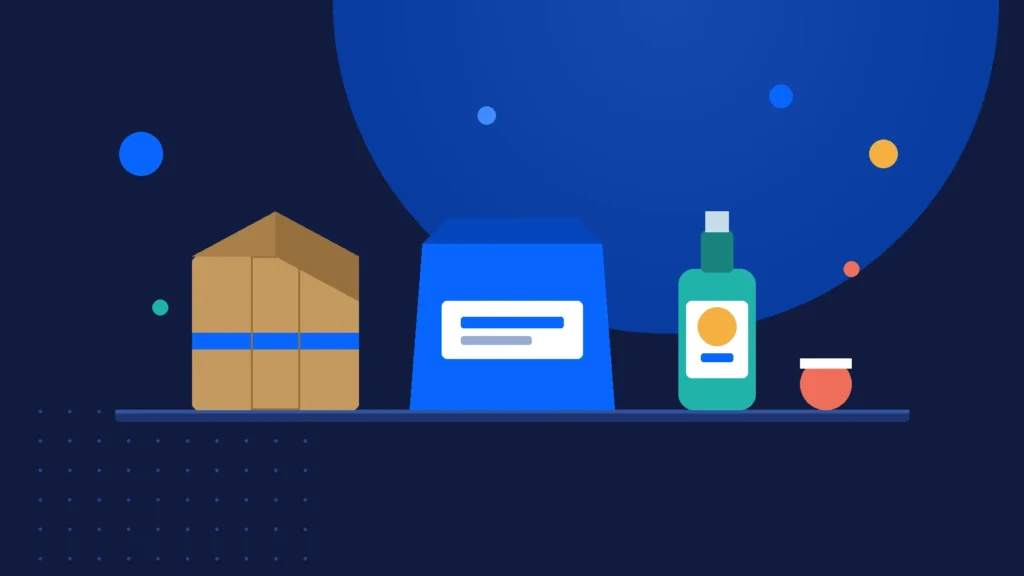
A customer decides about your product in about three seconds, standing in front of a shelf or scrolling past a photo — and in that moment, the packaging is the product. A good box or label can make a Rs 500 item look like a Rs 1,500 item. A bad one can make a great product look cheap, whatever is inside it.
So what does packaging design actually cost in Pakistan in 2026? The honest answer is a wide range: a simple label from a freelancer can start around Rs 5,000, while a full agency packaging system can pass Rs 150,000. Both can be fair prices. The difference is what you are buying — one design file, or a whole system that works across every product you will ever sell.
This guide prices the real options: label only, single box or pouch, a full range, and the agency route — so you can budget honestly instead of guessing from one quote.
The short answer: packaging design prices in Pakistan in 2026
| What you need | Who usually does it | Typical price |
|---|---|---|
| Single label design | Freelancer | About Rs 5,000–15,000 |
| Single box / pouch design | Freelancer or small studio | About Rs 20,000–50,000 |
| Product packaging (one SKU) | Experienced designer / studio | About Rs 25,000–150,000 |
| Packaging for a small range (3–5 SKUs) | Small studio | About Rs 50,000–250,000 |
| Full packaging + brand system | Professional agency | About Rs 150,000–500,000+ |
One rule before the detail: every range below is a typical market range seen in Pakistan in 2026, not a promise. Published guides disagree by a lot at the top end, because “packaging design” means different things to different sellers — a label file is not a brand system. Get the quote in writing, with the deliverables listed on it: how many designs, how many revisions, and whether print-ready files are included.
What you are actually paying for
Packaging design is not one job. It is usually three jobs sold together, and the price depends on how many of the three you need:
- The artwork. The visual design itself — colours, typography, imagery, the layout of your logo, product name, ingredients or instructions. This is the part you see. A single label is mostly artwork; a box is artwork plus structure.
- The dieline and print-ready files. A dieline is the flat template of your box, pouch or label — every fold, cut and glue flap, measured to the millimetre. The printer cannot print without it, and a wrong dieline means a box that does not close. Good designers supply print-ready files (usually AI or PDF, CMYK, with bleed and the correct fonts embedded). Cheap quotes sometimes leave this out — and then the printer charges you to fix it, or prints it wrong.
- The thinking. Which shelf will this sit on? What does the customer need to read in two seconds — the flavour, the weight, the price, the brand? Does it need a barcode, a halal mark, a QR code, an FBR or DRAP note? A freelancer usually designs what you ask for. A studio or agency asks these questions first, and charges for the answers. That is the real gap between a Rs 10,000 label and a Rs 150,000 system.
The four things that decide your price
- How many products (SKUs). One label for one product is the cheapest job in packaging. Three flavours of the same product cost less per design than three unrelated products, because the layout, colours and structure are reused and only the flavour, photo and text change. Karachi studios quote packaging per SKU range for exactly this reason — a range of similar products is priced as a system, not as five separate jobs. If you plan more flavours later, say so in the first brief: designing the system once is far cheaper than redesigning it five times.
- The pack type. A flat label is the simplest job — one rectangle, one print surface. A pouch adds seals, gussets and a back panel. A folding carton (a cereal-box style box) adds a dieline, folds and a glue flap. A rigid box or a tube adds structure and cost. As a rough rule, the more the pack has to be built, the more the design costs — and the more the printing costs too, which is a separate bill.
- What must be on it. A cosmetics label needs ingredients, directions, a batch number and a barcode. A food pack needs ingredients, nutrition, net weight, expiry and a halal logo. A medicine or supplement pack has stricter rules still. Every required element is layout work and legal risk if it is wrong — and the designer who knows the rules charges for knowing them. Send the designer the full text before the quote, not after: adding a nutrition table halfway through a design is a revision, and revisions are where cheap quotes grow.
- Who you hire. A beginner freelancer is the cheapest route and the right one for a single simple label — but expect a design file, not a strategy. An experienced freelancer or small studio is the middle ground most small brands choose: proper dielines, print-ready files, and a few revisions included. An agency is the expensive route and the right one when the packaging has to carry a brand into retail stores, where it competes with national brands on a shelf. International clients pay two to four times local rates for the same work, so a designer with foreign clients will quote you higher — and a designer working only locally will quote lower. Neither is wrong; they are different markets.
What a real order costs: three examples
| Who orders | What they order | Rough total |
|---|---|---|
| Home-based skincare seller | One label design for a face-cream jar, freelancer | ~Rs 5,000–15,000 |
| Snack brand, 3 flavours | Three pouch designs sharing one system, small studio | ~Rs 50,000–120,000 |
| Food brand entering retail | Full box range + brand guidelines, agency | ~Rs 150,000–500,000 |
Notice the pattern: the cheapest job is one label, one product, one file. The expensive job is a system that has to work across products, shelves and printers. If you only need the first, do not pay for the second. If you need the second, do not buy the first and then pay to redo it — a redesign after printing is the most expensive packaging of all.
Design vs printing: do not mix the two bills
This is the mistake that ruins most packaging budgets. The design price and the printing price are two separate bills, quoted by two different people, and neither includes the other unless it says so in writing.
Design is what this guide prices. Printing is the physical boxes, pouches or labels — and it depends on quantity, material, size and finish, just like sticker printing, where a vinyl sticker costs about Rs 8 a piece at 100 pieces and about Rs 5 at 1,000. Packaging printing works the same way: the per-unit price falls sharply with quantity, and the setup cost is spread across the run. Always ask for both quotes before you commit to either — a design that needs a special paper or a foil finish can double the printing bill, and that is a decision to make while the design can still change, not after it is printed.
How to order without overpaying
Brief in writing, with the real text. Product name, weight, ingredients, barcode, any logos or marks that must appear, and the pack size. A designer quoting from a full brief quotes once; a designer quoting from “just make something nice” quotes twice — once to start, once to fix it.
Ask what the price includes. The quote should list: number of design concepts, number of revision rounds, the dieline, and print-ready files (AI/PDF, CMYK, with bleed). If any of those is missing, ask what it costs to add — before you agree, not after the first draft.
Ask for a 3D mockup. Most designers can show your pack as a realistic 3D image before anything is printed. It costs them little and saves you everything: a label that looks fine flat can look unreadable wrapped around a jar, and a box that looks good on screen can look empty on a shelf.
Get a printed proof for a big run. For 5,000+ packs, a printed sample of the real box or pouch catches the two mistakes that ruin bulk orders: colours printing darker than the screen, and text too small to read at arm’s length. It is the same rule as stickers — a sample costs almost nothing next to a wrong run.
Keep the files. Once you have a dieline and a design system that works, keep the source files and the specification. The second product is always cheaper than the first, because the system already exists.
Verdict
Packaging design in Pakistan in 2026 costs roughly Rs 5,000–15,000 for a single label from a freelancer, Rs 20,000–50,000 for a standard box or pouch, and Rs 150,000–500,000+ for a full agency packaging system — with most small brands landing in the Rs 25,000–150,000 range for one properly designed product. The cheapest design is rarely the best buy; the best buy is the design that includes the dieline, the print-ready files and the revisions, ordered with a full brief, for the pack type you will actually print. Price the system, not just the picture — and let the shelf do the talking.
If you want a label, box or full packaging quote for your brand, WhatsApp Nexa on 0309 9091105 with your product, pack size and quantity — and remember the offer: your complete demo website first, free, no advance payment, and you pay only if you love it.
FAQ
How much does packaging design cost in Pakistan in 2026? — A single label from a freelancer typically costs about Rs 5,000–15,000. A standard box or pouch is about Rs 20,000–50,000, one product’s full packaging about Rs 25,000–150,000, and a professional agency system Rs 150,000–500,000+.
Is printing included in the design price? — Usually not. Design and printing are separate bills from different suppliers. Always ask whether the quote includes print-ready files and a dieline, and get the printing quote before approving the design.
What is a dieline? — A dieline is the flat template of your box, pouch or label — every fold, cut and glue flap measured exactly. The printer cannot print without it, and a wrong dieline means a pack that does not close.
How many revisions should a packaging quote include? — Most professional quotes include 2–3 revision rounds. Ask for the number in writing: unlimited revisions sound generous but usually mean the brief was never agreed, and extra rounds are where cheap quotes grow.
What files should I receive at the end? — Print-ready files (AI or PDF, CMYK, with bleed), the dieline, and a 3D mockup. Keep the source files — your next product in the same range will cost far less to design.